

Call of Duty Boosting is a service that raises your in-game rank by having experienced players complete matches on your account. When you buy boosting, you gain progress in matches, wins, and unlocks without spending hours grinding every day. Many players choose boosting to reach higher tiers quickly, try out advanced playlists, or access ranked rewards that unlock at specific levels. Whether you play casually or compete in tournaments, boosting lets you hit milestones faster and use weapons or gear you would otherwise wait weeks or months to earn.
Before starting, you’ll set a clear goal rank with the boosting provider. This goal guides the number of matches played and the level of performance needed. During the boost, you’ll see updates that show match counts, wins, and your new rank as it rises. After the boost, you get a summary of matches played, improvements to your kill/death ratio, and confirmation that you reached the target. This process gives you control over timing and lets you plan when to jump into higher-level matches on your own.
Knowing what to expect helps you set realistic timelines and keep track of progress. In this article, you’ll learn about the key benefits of boosting, how to prepare your account for a smooth experience, and how updates and final reports work. With clear expectations, you can move up the ranks without surprises and enjoy new levels of gameplay as soon as the boost finishes.
Main Benefits
The first benefit of buying Call of Duty Boosting is rapid rank growth. Instead of playing dozens of matches yourself, experts handle match wins and performance tasks on your account. This speeds up progress from one tier to the next. If you aim to reach Gold or higher leagues, boosting can cut the time needed from weeks down to days. You’ll see your rank increase quickly, letting you join tougher matches and face stronger opponents much sooner.
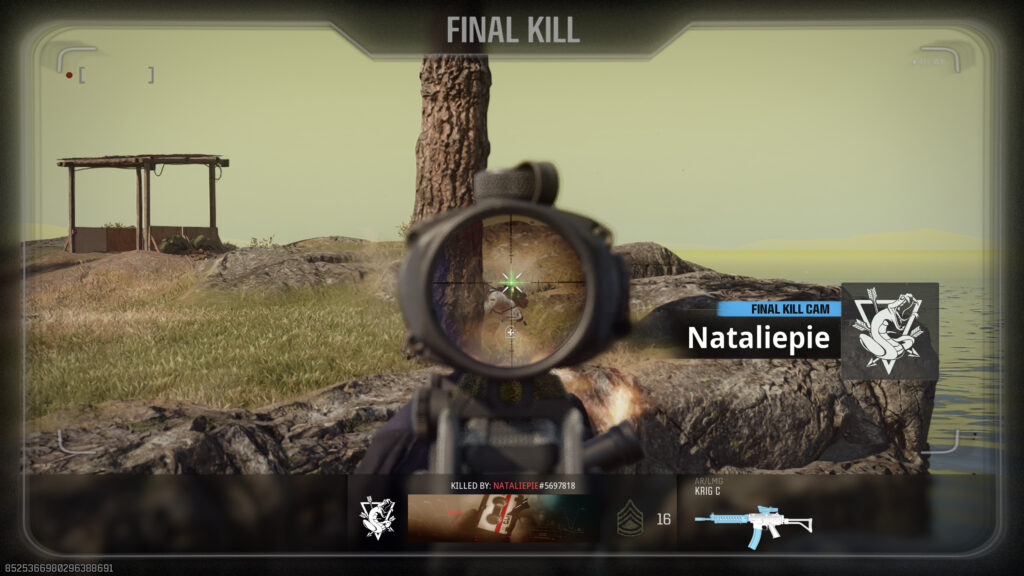
A second benefit is unlock access. Many weapons, attachments, and cosmetic rewards unlock only at certain ranks. With boosting, you gain these items as soon as you hit the required level. This means you can test advanced loadouts immediately and build strategies with gear you might otherwise miss for a long time. Having new weapons at your disposal can change how you play, as you can try different setups and find the ones that fit your style.
Lastly, you gain clearer focus on skill improvement. Once you reach your boosted rank, you face opponents at that level and see where your abilities stand. If you struggle with aiming, movement, or map control, you’ll notice it quickly against higher-tier players. This insight helps you plan training drills or custom matches that target weak spots. Boosting takes care of rank growth so you can spend more time learning and improving the skills you need to compete at a higher level.
Preparing Your Account
Before your boost begins, secure and organize your gaming account. Start by updating your login password and turning on two-factor authentication. A strong password and extra login confirmation help prevent unauthorized access. Since boosting requires logging in to your account, you want to ensure only the designated players can enter. Two-factor authentication adds a code step whenever someone logs in, giving you a notification if an unexpected login happens.
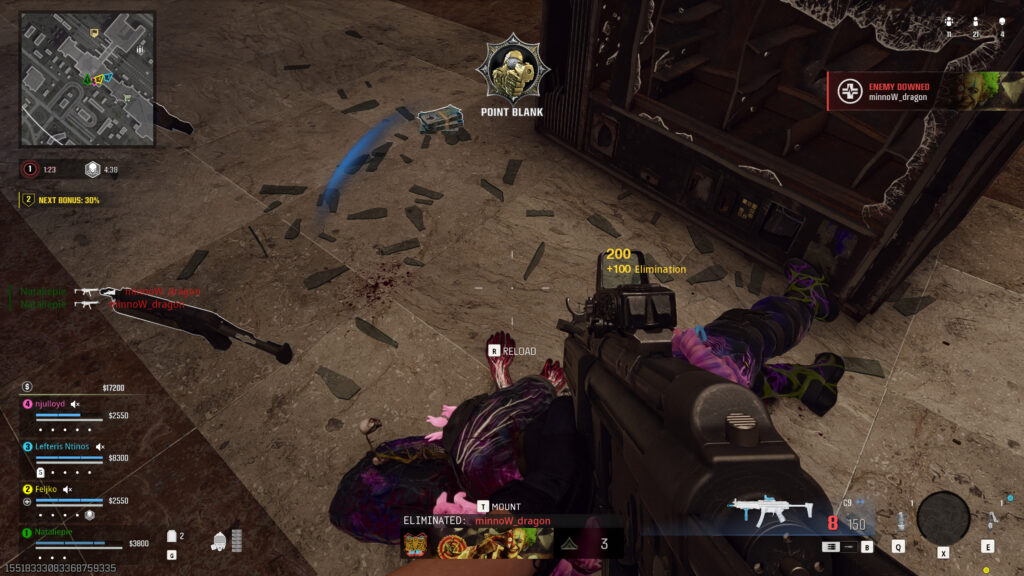
Next, note your current rank, match history, and settings. Record your starting tier, kill/death ratio, and overall wins so you can compare them after the boost. Jot down controller or mouse sensitivity, key bindings, and any special settings you use. Sharing these details helps match your play style and makes the handoff smoother. Your booster can use your settings exactly, then restore your personal preferences once the session ends.
Finally, check your internet connection and system setup. A wired connection or strong Wi-Fi reduces match interruptions. Close unneeded applications that use bandwidth or CPU power. If you use a headset and microphone, test them to ensure clear voice chat. A stable setup minimizes pauses or dropped games, keeping matches on track and avoiding delays. With your account secure, settings noted, and system optimized, you’ll be ready for a quick, smooth boosting experience that hits your target rank without hiccups.
Boost Schedule and Updates
After you set your target rank, you’ll agree on a schedule and update plan. Most boosts break down into rank tiers or match counts. For example, you might move from Silver to Gold in 30 matches, then Gold to Platinum in 40 matches. Your booster will work through each block and send you updates at agreed points. Below is a sample timeline that shows common breakpoints, estimated matches, and update frequency.
| Rank Range | Estimated Matches | Estimated Hours | Update Frequency |
|---|---|---|---|
| Bronze to Silver | 20 | 2 | Every 5 matches |
| Silver to Gold | 30 | 3 | Every 10 matches |
| Gold to Platinum | 40 | 4 | Every 10 matches |
| Platinum to Diamond | 50 | 5 | Every 10 matches |
Discuss with your booster how often you want these updates. Some players prefer frequent check-ins after every 5 matches, while others may want a single update at the halfway point of each tier. You’ll also decide what type of proof you want—match IDs, screenshots, or short clips. Clear expectations on when and how you receive updates will keep you informed and reduce any worry about hidden delays or mismatches in progress.
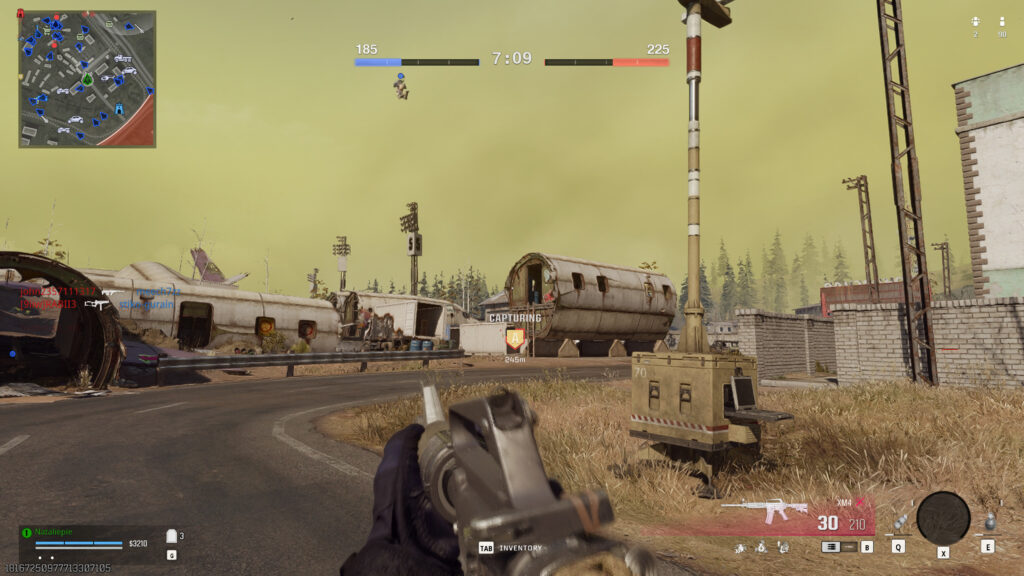
Your update plan should also include a way to pause or adjust the schedule. If you notice slower progress or you need a break, you can pause the boost until you’re ready to continue. Conversely, if you want faster check-ins, you can increase the update frequency. A flexible schedule ensures you stay in control and can match progress reports to your own availability.
Tracking Progress
Verifying boost progress helps you confirm that matches and stats align with your plan. Use these checks to keep your account on track and detect any mismatches early.
- Match Logs: Review match IDs or game codes provided in each update. Compare them with your own match history to ensure every game is counted.
- Win/Loss Count: Track the number of wins against losses in each update. A win-focused boost should show a high win rate; any drop may signal an issue.
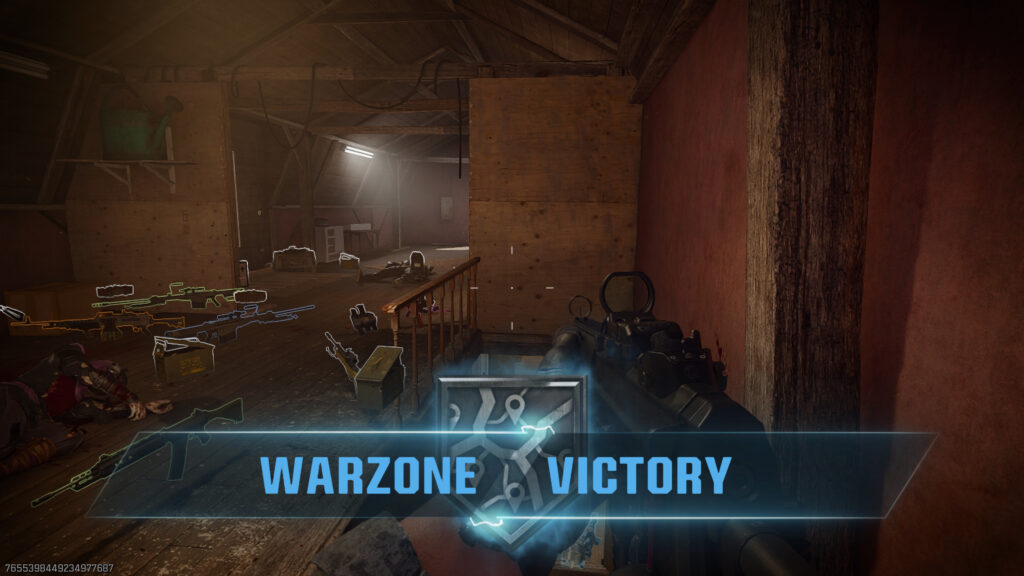
- Stats Comparison: Note changes in your kill/death ratio, score per minute, and objective captures. These metrics should improve steadily as rank increases.
- Screenshots or Clips: Keep a folder of proof images or video clips. Label them by match number or date so you can cross-check easily.
- Update Notes: Record the date and time of each report, along with any comments from your booster. This log helps you see exactly when each tier was completed.
By following this list of checks, you’ll catch problems early—such as missing matches or stats that don’t match your baseline. If something looks off, you can ask for clarification or a replay of specific games. Clear tracking also builds confidence that you’ll hit your target rank without surprises.
Final Report
When the boost ends, you should receive a full summary that matches your starting baseline with your final rank details. A complete report usually includes:
- Starting Stats: Your initial rank, total wins, kill/death ratio, and match count.
- Ending Stats: Final rank, updated win count, new kill/death ratio, and total matches played.
- Progress Breakdown: A table or list of matches per tier, with wins and losses in each.
- Proof Files: All screenshots, clips, or match IDs used for verification.
- Time Log: Total hours spent, with start and end timestamps for each session.
Compare the starting and ending stats to confirm you received the full boost you paid for. Save the proof files and report as a record for any future reference. If you plan another boost, these documents help set realistic timelines. With a clear final report, you close out the service on your terms and can jump right into high-rank matches with confidence.
Leave a Reply