
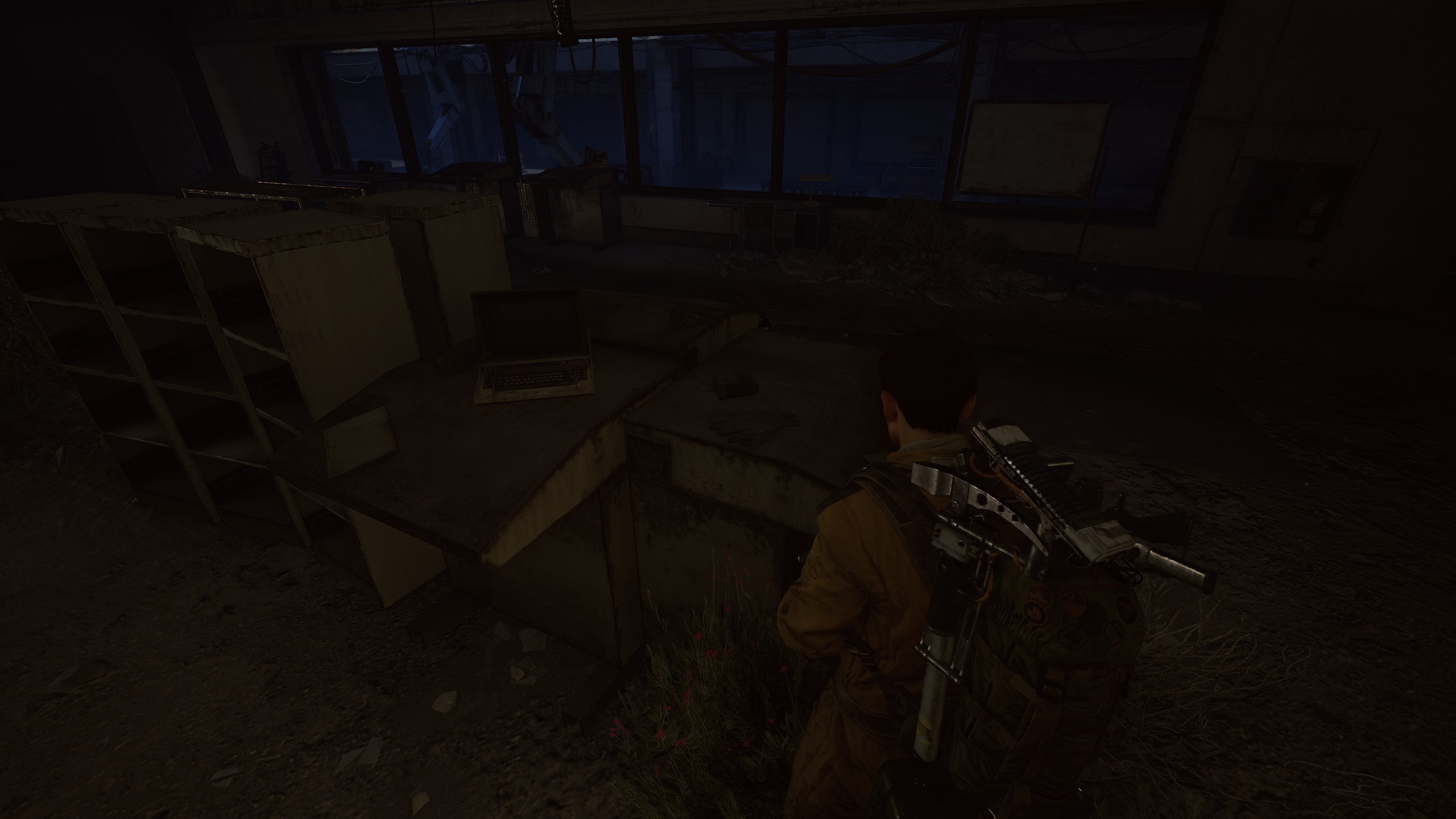
Late raid fatigue in Arc Raiders quietly erodes judgment long before players feel exhausted. As raids extend, attention narrows, patience thins, and small compromises feel acceptable.
These changes rarely announce themselves. Players continue moving and fighting, unaware that decision quality has declined. Many late-raid failures are not caused by stronger enemies, but by weakened judgment operating on outdated assumptions.
How Fatigue Alters Risk Perception
Fatigue changes how risk is evaluated. Players begin accepting exposure they would avoid earlier, crossing open ground without confirmation or delaying extraction despite warning signs.
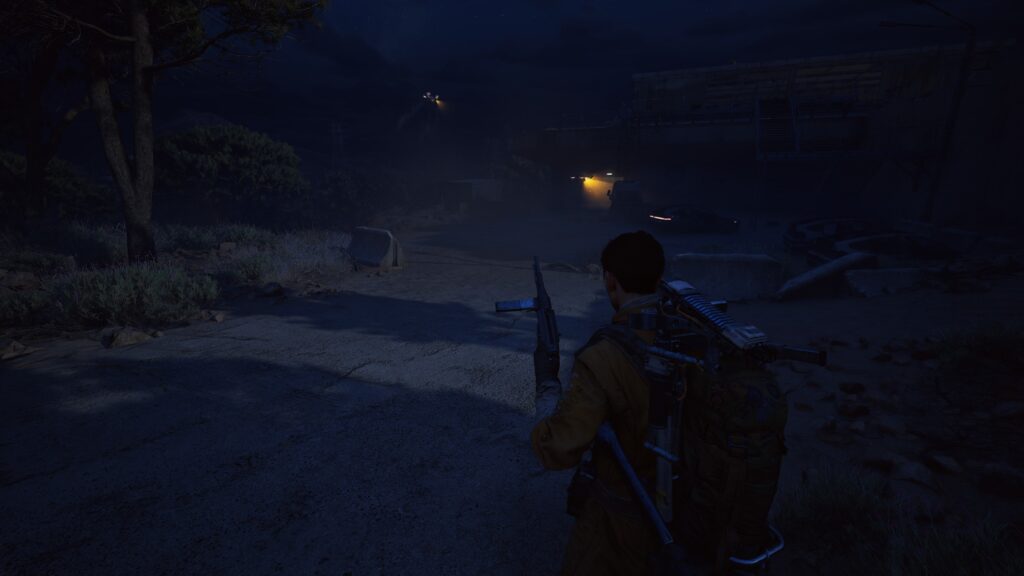
This shift feels logical in the moment, driven by the desire to finish strong. Survivors recognize this internal change and treat it as a signal to simplify objectives rather than push harder.
Decision Compression Near the End
As fatigue sets in, decisions compress. Players stack choices together instead of evaluating them separately, moving, looting, and engaging without pause. This compression removes the mental space needed to reassess conditions. Survivors counter this by deliberately slowing decision cadence late in raids, restoring separation between action and evaluation.
Overconfidence Built on Earlier Success
Late raids often follow earlier wins. This success breeds confidence that masks fatigue. Players assume patterns will continue holding, even as resources degrade and pressure escalates.
Survivors treat late success as a warning rather than validation, knowing that fatigue paired with confidence creates blind spots.
Fatigue-Driven Errors That End Raids
Certain mistakes appear consistently late in raids.
- Skipping sound checks to maintain momentum
- Looting without re-securing space
- Delaying extraction despite shrinking margins
- Engaging threats to avoid “wasted time”
These errors reflect judgment decline rather than skill loss.
Why Awareness of Fatigue Restores Control
Recognizing fatigue restores judgment. Players who notice impatience or rushed thinking regain control by narrowing goals and favoring exit routes. Survivors do not fight fatigue—they adapt to it. This awareness preserves consistency and prevents late collapses that feel sudden but were developing quietly.
Conclusion
Late raid fatigue in Arc Raiders impacts judgment more than mechanics. Players who recognize this shift adjust pace and expectations before mistakes compound.
Survival improves when fatigue is treated as a condition to manage, not a weakness to ignore. Most late failures can be avoided by noticing when thinking begins to drift.
Leave a Reply