

Enemy variants in Arc Raiders quietly redefine how engagements should be approached. While players may recognize enemies visually, the real threat lies in how each variant alters priority, spacing, and timing.
Treating all enemies as equal leads to misallocated attention and rapid escalation. Survival improves when players adjust priorities based on what a variant enables, not just how much damage it deals.
Why Variants Disrupt Familiar Tactics
Variants introduce asymmetry into encounters. Some restrict movement, others punish exposure, and some escalate pressure over time. Players relying on routine responses often misjudge which threat must be addressed first.
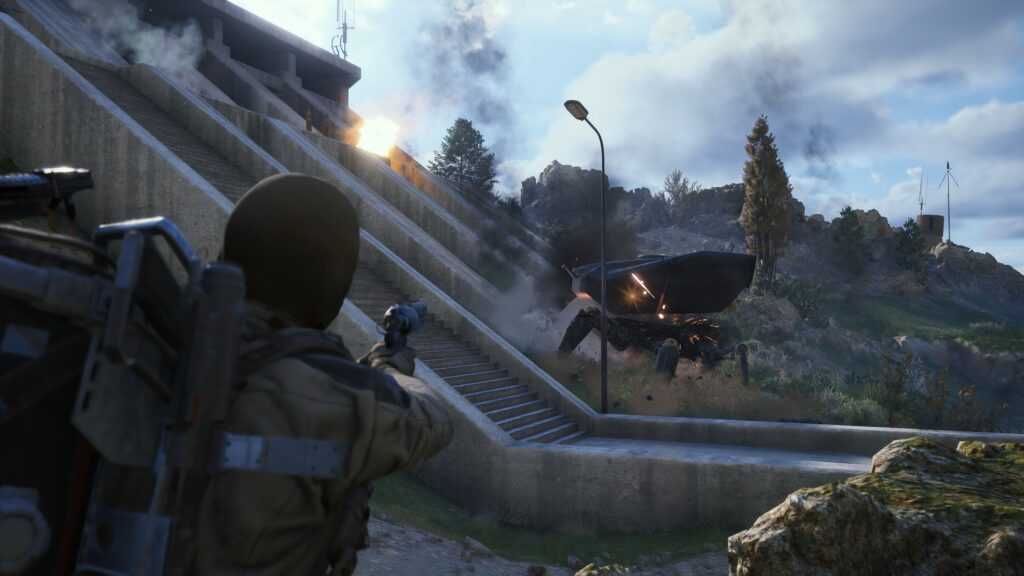
Survivors reassess the engagement structure the moment a variant appears, understanding that familiar tactics may no longer apply.
Priority Shifts Under Mixed Threats
Encounters rarely contain a single enemy type. Variants change the order in which threats must be handled. A low-damage unit that controls space may become more dangerous than a high-damage target. Survivors identify which enemy limits options and address it first. Priority is defined by constraint, not aggression.
Variants as Force Multipliers
Some enemy variants do not threaten directly but amplify others. They extend fights, reduce safe movement, or draw additional attention. Ignoring these force multipliers allows pressure to grow unchecked.

Survivors neutralize these variants early or disengage before their impact compounds. Control is regained by removing what enables escalation.
Common Priority Errors Players Make
Certain mistakes repeatedly undermine engagements.
- Targeting nearest enemies by default
- Ignoring variants that limit movement
- Overcommitting to high-damage threats
- Failing to reassess when new variants appear
These errors allow encounters to spiral.
Why Reprioritization Preserves Control
Reprioritizing targets stabilizes engagements before they peak. Players who adjust quickly prevent variants from shaping the fight on enemy terms.

Survivors remain flexible, abandoning initial plans when conditions change. Control is maintained through awareness, not stubborn execution.
Conclusion
Enemy variants in Arc Raiders change engagement priorities by reshaping constraint, timing, and escalation. Players who recognize these shifts survive encounters that overwhelm others.
Survival depends on understanding which threats define the fight, not which ones appear most dangerous. In complex encounters, correct prioritization matters more than firepower.
Leave a Reply