

Revival decisions in Arc Raiders become most dangerous when pressure peaks. Downed teammates create urgency, but urgency is exactly what the environment punishes.
Many raids collapse not because a revival failed mechanically, but because the decision to attempt it was made without reassessing control. Survival depends on understanding that reviving is not a moral obligation—it is a tactical choice with consequences.
Why Revivals Trigger Emotional Decision-Making
Seeing a teammate down activates instinctive responses. Players rush to help, often abandoning positioning, awareness, and timing. This emotional pull overrides tactical evaluation.
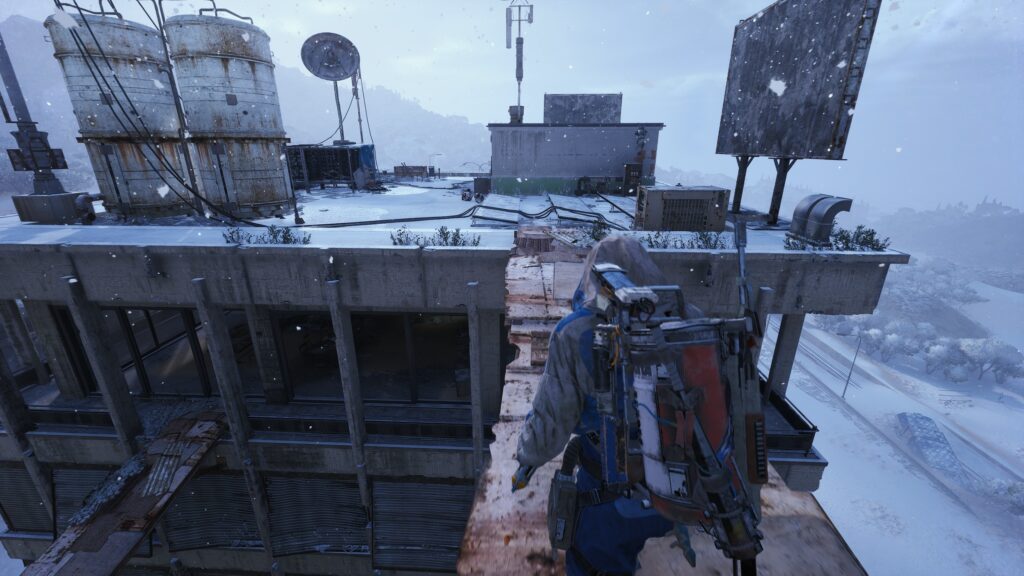
Survivors recognize the emotional weight of revival and deliberately slow the decision. They separate the desire to help from the ability to help safely.
Assessing Control Before Commitment
A revival attempt is viable only if control exists or can be regained quickly. Control includes cleared sightlines, manageable enemy pressure, and preserved escape routes. Without these conditions, reviving compounds failure by creating a second vulnerable target. Survivors assess whether pressure is decreasing or increasing before committing. Timing matters more than speed.
When Revival Becomes the Wrong Objective
In extreme pressure, objectives must narrow. Sometimes survival of remaining players outweighs recovery of the downed. Players who insist on revival despite collapsing control often lose the entire squad.

Survivors accept loss early to prevent total failure. This decision feels harsh but preserves long-term success.
Common Revival Errors Under Pressure
Certain behaviors repeatedly turn revival into collapse.
- Rushing revives without clearing angles
- Reviving while enemies are actively repositioning
- Stacking players on a single revive point
- Ignoring extraction timing after a failed revive
These errors remove options faster than enemy damage.
Why Delayed Revives Often Succeed
Delaying revival allows pressure to settle. Enemies reposition, patrols pass, and sound layers thin. Survivors wait for these moments rather than forcing action.
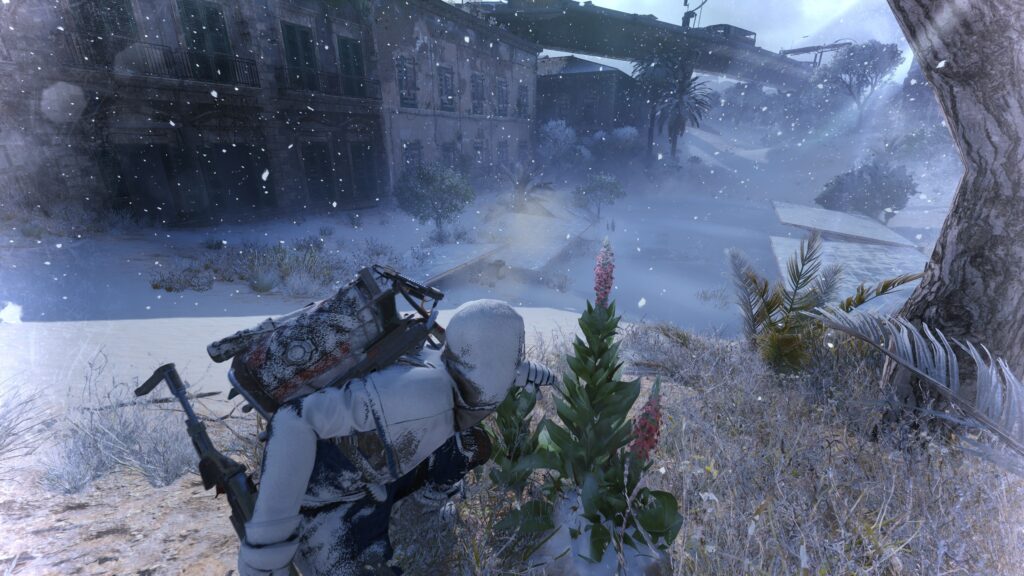
A late revive completed under control is safer than an immediate revive under fire. Patience restores viability.
Conclusion
Squad revival decisions in Arc Raiders test judgment under extreme pressure. Survival improves when players assess control, resist urgency, and accept that not every revive is possible.
Successful squads treat revival as a tactical option, not an automatic response. Knowing when to wait—or when to walk away—often saves more lives than rushing in.
Leave a Reply