
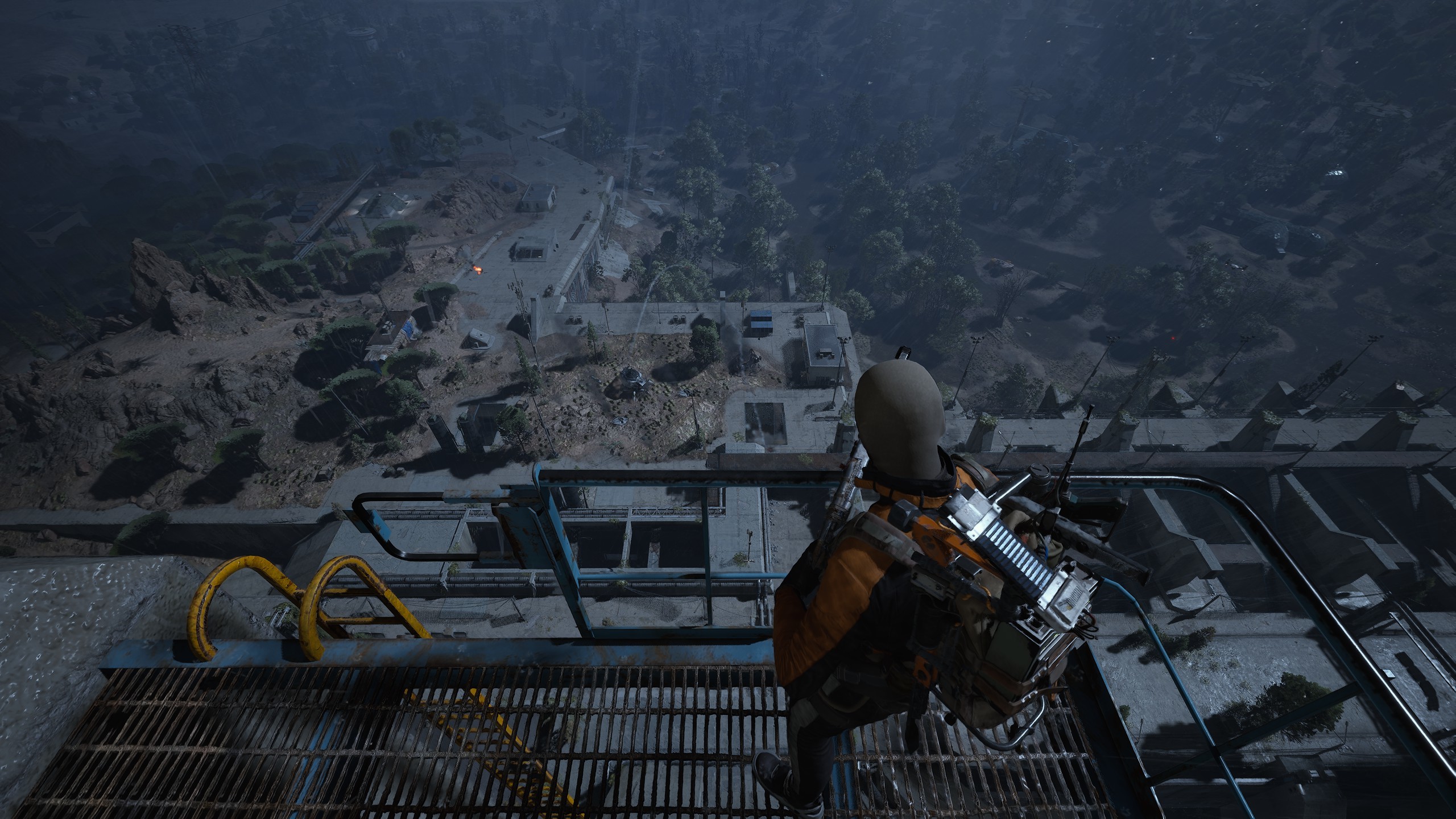
The diurnal cycle of X-Isle is a critical, dynamic component of tactical planning. The changing light, weather patterns, and temperature shifts dramatically alter the efficacy of both ARC sensor arrays and Raider gear, creating distinct tactical opportunities and risks. **Chronological Engagement Strategy (CES)** is the discipline of mapping the environment across the 24-hour cycle, ensuring that Raider operations are scheduled to maximize our natural advantages while neutralizing ARC’s sensor superiority.
This analysis breaks down the three primary periods of the day, detailing the required shift in loadout and combat philosophy for each.
Period 1: Mid-Day (High Visibility/High Heat)
Mid-day offers the highest optical visibility, favoring long-range engagement and the Designated Marksman. However, high temperatures amplify thermal signatures, aiding ARC’s tracking capabilities.

- **Raider Advantage:** Clear line-of-sight for Kinetic Overmatch (KOD); easy identification of weak points (TCA); faster travel.
- **ARC Advantage:** Highly effective thermal tracking; high solar output can compromise Raider optics if not properly filtered.
- **CES Protocol:** Prioritize open-area ambushes and long-range interdiction. Avoid sustained exposure in open areas; utilize the Shield Wall to deflect thermal energy and incoming kinetic fire.
Period 2: Dusk/Dawn (Transitional Light/Shadow Play)
The periods of dusk and dawn are the most volatile and dangerous. Rapidly shifting light and long shadows degrade both human optical tracking and ARC’s optical stabilization, creating critical moments of confusion that can be exploited for rapid closure or surprise attack.
| Tactical Factor | Effect on Raiders | Effect on ARC |
|---|---|---|
| **Shadow Density** | Excellent cover for flanking and short-burst ambushes. | Causes momentary visual tracking instability; forces reliance on thermal/acoustic. |
| **Thermal Drop** | Reduces Raider heat signature after exertion. | Decreases the efficacy of ARC’s high-resolution thermal lock. |
CES dictates that these periods are ideal for high-risk infiltration and exfiltration, leveraging the confusion of the transitional light for maximum concealment.
Period 3: Night Cycle (Low Visibility/High Acoustic Risk)
As previously analyzed (NTM), the night favors concealment but elevates the threat from ARC’s non-optical sensors (thermal, acoustic, chemical). The objective shifts from kinetic dominance to sensory denial.

- **Raider Advantage:** Optimal time for stealth, ABM (Decoy) tactics, and evasion (Ghost Protocol).
- **ARC Advantage:** Sniffer Dogs and sensor units operate with maximum efficiency; localized light sources (flares, flashlights) become immediate targets.
- **CES Protocol:** Strict adherence to acoustic dampening. Priority must be given to eliminating Sniffer Dogs and Controllers before any CQC engagement. Missions must be resource-efficient and focused on speed.
Chronological Loadout and Gadget Shifts
CES necessitates that the Raider’s gadget loadout changes based on the scheduled mission time. Day missions require kinetic enhancement (scopes, heavy ammo);
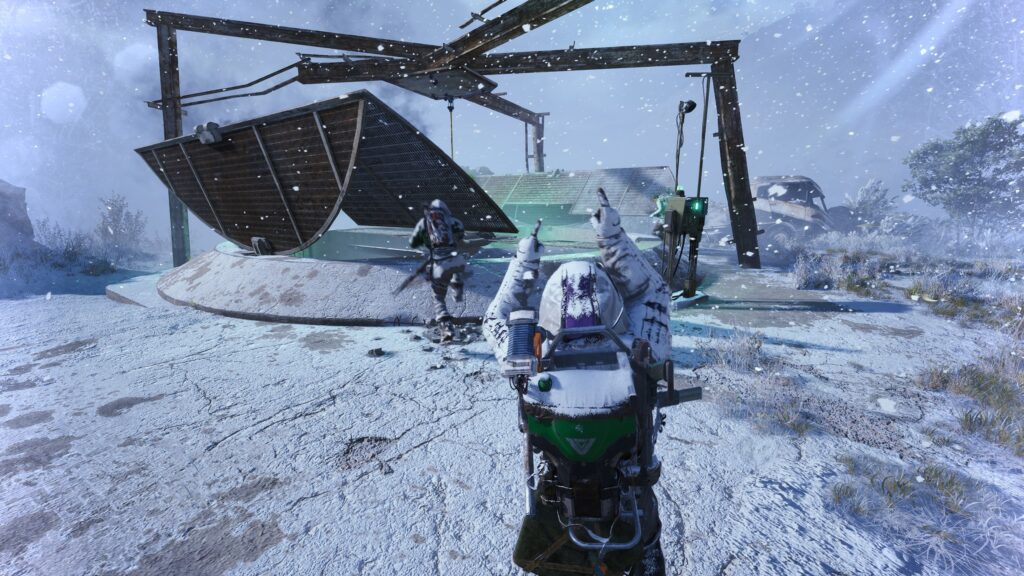
Night missions require sensory denial (Jammers, Recon Grenades). Failing to adjust the loadout to the chronological environment is a critical error in LPO.
The ARC Chronological Response
ARC adapts to the chronological cycle.
Heavy, slow-moving assets (Golem, Warden) often conduct slow, fixed patrols during the stable Night Cycle, while fast-
Leave a Reply