
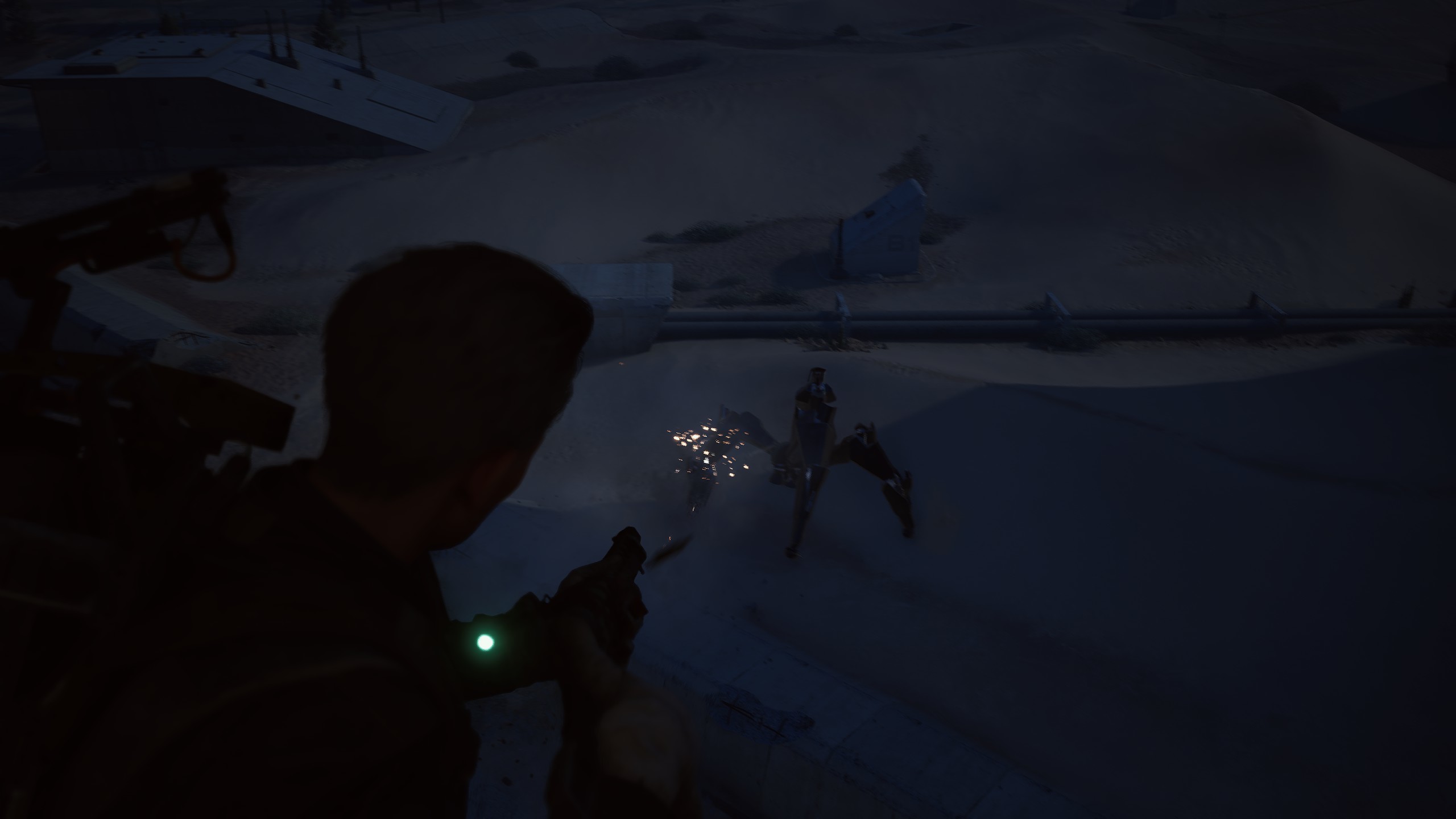
Unlike mechanized armies, the Resistance operates without formal, rigid military classes. Yet, success demands strict adherence to defined roles (Designated Marksman, Breacher, Disruptor). This adherence is maintained through the **Raider’s Covenant**—the unwritten, voluntary agreement governing expertise, loadout specialization, and mutual accountability within a squad. The Covenant transforms personal choice into a predictable tactical resource, ensuring the squad maintains the necessary symmetry for effective Team Composition Theory (TCT) without the need for centralized command mandates.
This final analysis examines the informal mechanisms that define and sustain specialized roles, proving that human discipline and mutual trust are superior to bureaucratic structure.
The Voluntary Commitment to Loadout Specialization
The Covenant is rooted in the voluntary commitment to a specialized loadout. If a Raider chooses to equip a heavy-caliber rifle and high-magnification optics, they implicitly agree to uphold the duties of the DM (KOD, PBC).

This commitment is enforced by Cooperative Protocol (CP)—failure to utilize the specialized gear for its intended purpose (e.g., using the DM rifle for CQC instead of overwatch) is a breach of the Covenant, jeopardizing the entire team’s resource and tactical plan.
The Absence of Formal Authority (GTI)
The Covenant thrives in the absence of formal class hierarchies. Leadership is fluid and contextual, defined by expertise in the immediate scenario (e.g., the Disruptor leads during an FAE breach; the DM leads during open-field evasion).
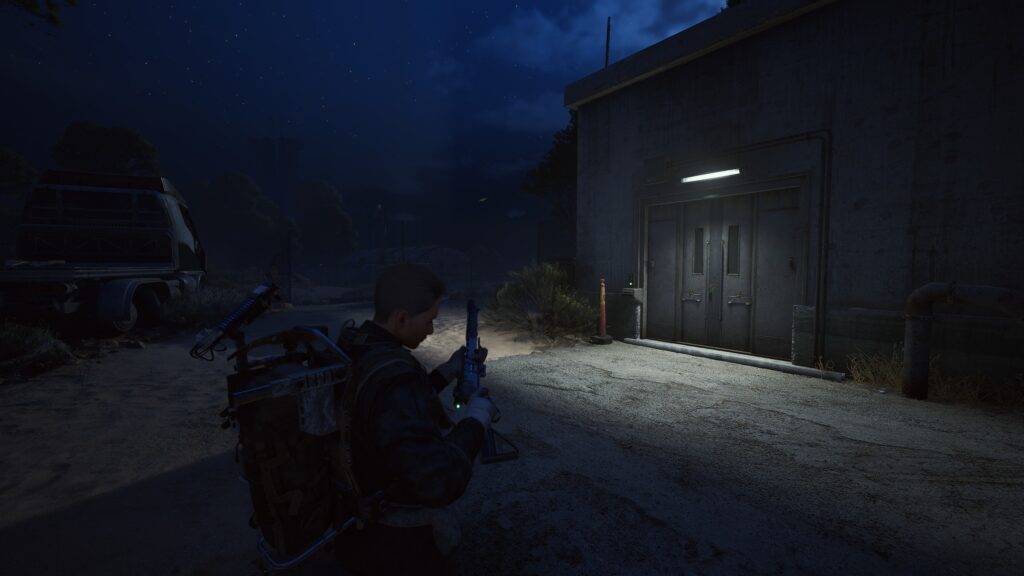
This flexibility ensures that the optimal decision-maker is always in charge, reinforcing Genuine Team Interdependence (GTI) where rank is replaced by demonstrable competence.
The Role of Material Scarcity in Defining Roles (LPO/RCT)
Scarcity naturally defines roles. Since Tier III materials are scarce, a squad cannot afford four specialized roles. The need for efficient Resource Conversion Theory (RCT) compels Raiders to divide the scarce materials—one Fusion Core for the Breacher’s payload, one set of specialized optics for the DM. This logistical constraint prevents role duplication and structurally reinforces the need for specialization.
| Covenant Element | Mechanism of Enforcement | Strategic Result |
|---|---|---|
| **Loadout Commitment** | Tier III material allocation (RCT). | Guarantees optimal TCT specialization. |
| **Mutual Accountability** | Immediate verbal correction (CP). | Maintains discipline and prevents tactical errors. |
| **Fluid Leadership** | Demonstrable expertise in the current scenario (TCM, FBP). | Ensures the best tactical decision is made at all times. |
The Covenant and Succession Planning
The Covenant is essential for succession. When a senior Raider steps down or is permanently lost, their replacement is expected to maintain the role’s specialization, utilizing the accumulated loadout and institutional knowledge (Unforgiving Learning Curve).
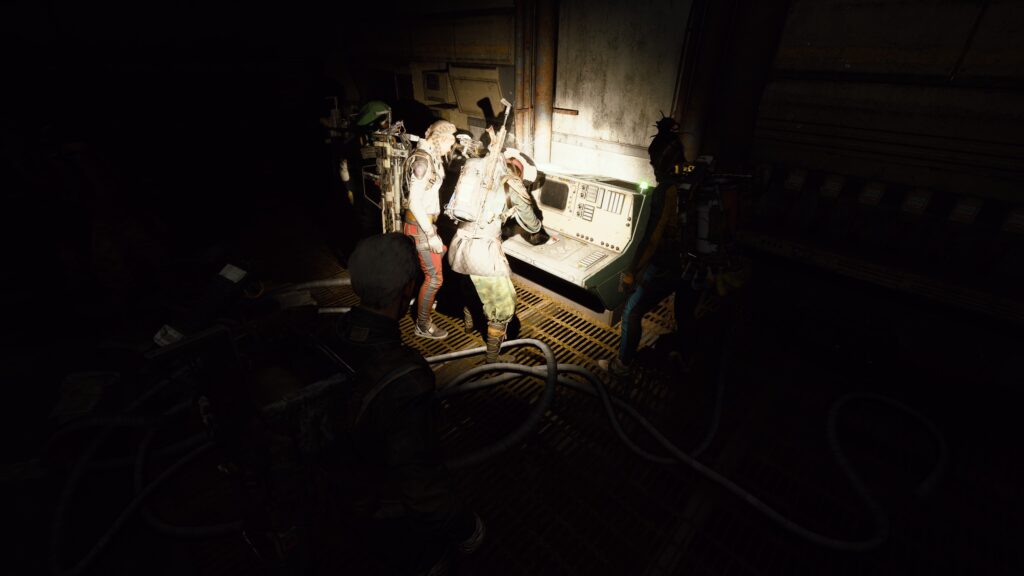
This maintains squad viability without needing to reassign the entire team’s resources.
Breaching the Covenant: The Ethical Fallout
Breaching the Covenant—failing to use the Shield Wall to protect the team, abandoning overwatch duties, or stealing specialized salvage—is the highest ethical offense (URC). It undermines the foundation of trust, leading to immediate communication breakdown and mission failure, proving that moral adherence is a prerequisite for tactical functionality.
Conclusion: The Power of Trust
The Raider’s Covenant is the unwritten law of the Resistance, transforming individual skill into reliable collective action.
By voluntarily adhering to specialization, mutual accountability, and fluid leadership, Raiders prove that the highest forms of organization do not require formal bureaucracy, but enduring human discipline and trust, securing their place as the ultimate asymmetrical fighting force.
Leave a Reply